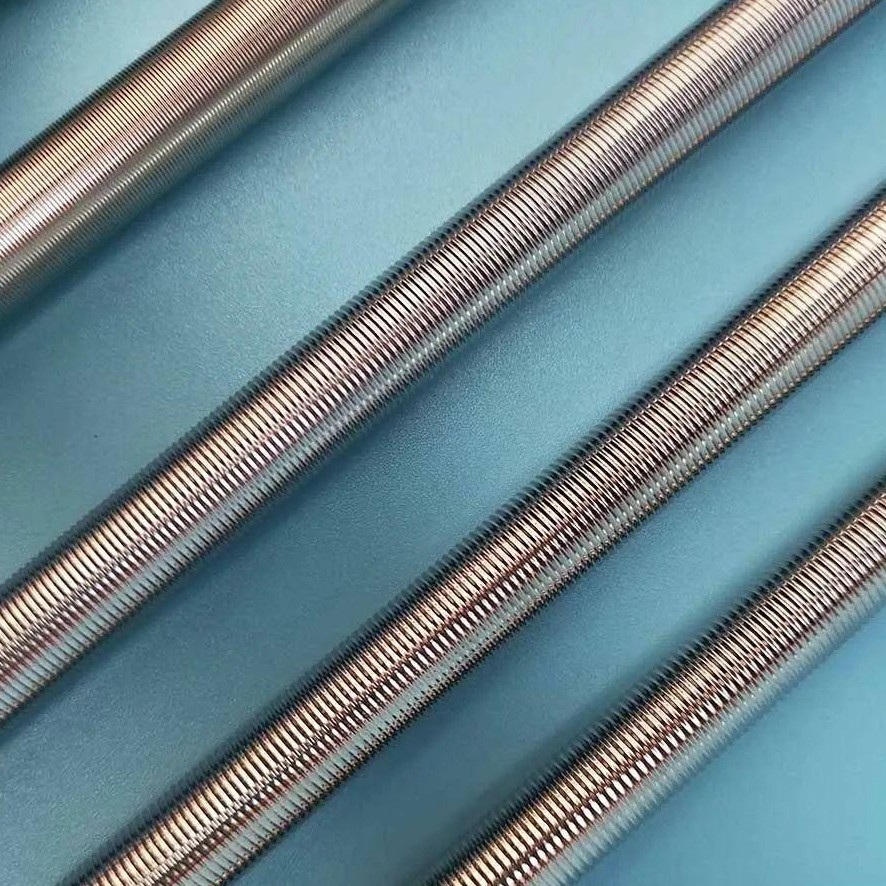
Meyer rod for Coating Machinery

Solve issues with coating layers—such as uneven thickness, defects, and waste—to ensure precise and efficient coating

Coating Mayer Rod Design and Manufacturing

Using our proprietary technology, we have effectively reduced friction on the surface of the mayer rod. This not only lowers the drive torque but also extends the service life of both components. Under the same pressure, this technology improves the quality of film and paper while reducing abnormal wear. In addition, we have optimized the release properties of the coating, effectively preventing groove clogging. We offer a wide range of mayer rod specifications to meet various coating and quality requirements.
mayer rod

HM Mayer Rod Product Specifications

Product Dimensions


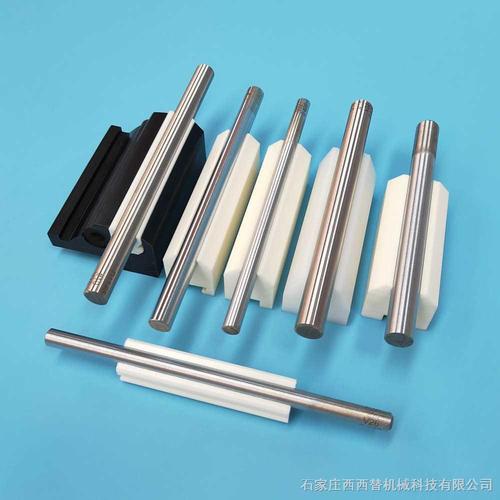
HM mayer rods are offered in the following diameters:


9.83mm (9.75), 10mm, 12mm, 12.7mm, 13.65mm, 15mm, 16mm, 18mm, 20mm, 25mm, 30mm, and 35mm.

 
HM wire rods can be produced in lengths of up to 13 meters.
 

Groove Selection

 
A wide range of groove types is available to suit different application needs.
 

Product Testing and Optimization

 
  • As manufacturing technology advances, groove designs are regularly updated and optimized to meet diverse customer requirements.
  • We continuously track the performance of our metering rods when integrated into customers’ equipment. Drawing on real-world usage data and direct customer feedback, we refine product details over time. This ongoing process enhances compatibility and ensures consistent, optimal performance.
 
mayer rod
Rating: 4/5
评分为 4(共 5)

HM Coating Mayer Rods – Applications

The mayer rods in a sizing machine apply a uniform coating layer onto the surface of base paper, cardboard, or film, creating an ideal foundation for subsequent coating steps. This process enhances surface quality, improves coating consistency, and optimizes the appearance and printability of the final coated material—ultimately enabling the production of high-grade paper or film products.
 
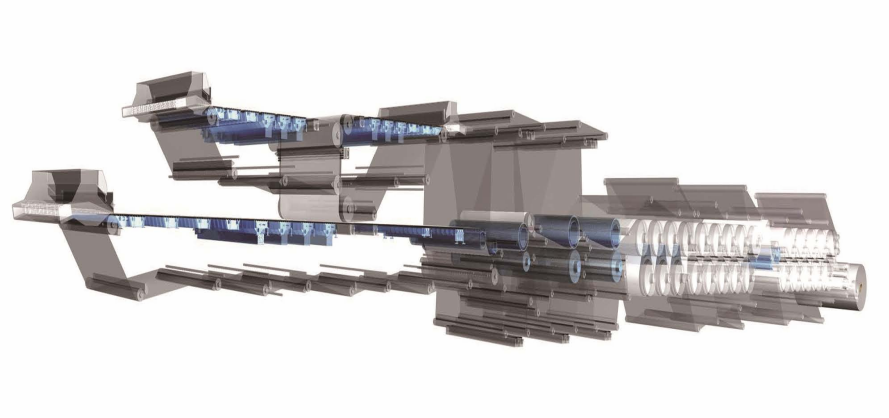
The metering bar coating system mainly comprises four core components: the metering bar, coating roller, coating tank, and drive control system.
 
HM sizing machine mayer rods are widely used for research, testing, and quality control across multiple industries, including coatings, inks, papermaking, film production, and electronics. Our extrusion-style metering bars serve as a superior alternative to traditional wire-wound rods, resolving common issues such as wire breakage, material buildup, difficult cleaning, and limitations in achieving ultra-thin coatings. This innovation marks a significant advancement for the thin-film coating industry.
mayer rod

Quality Control and Troubleshooting for Coating Mayer Rods
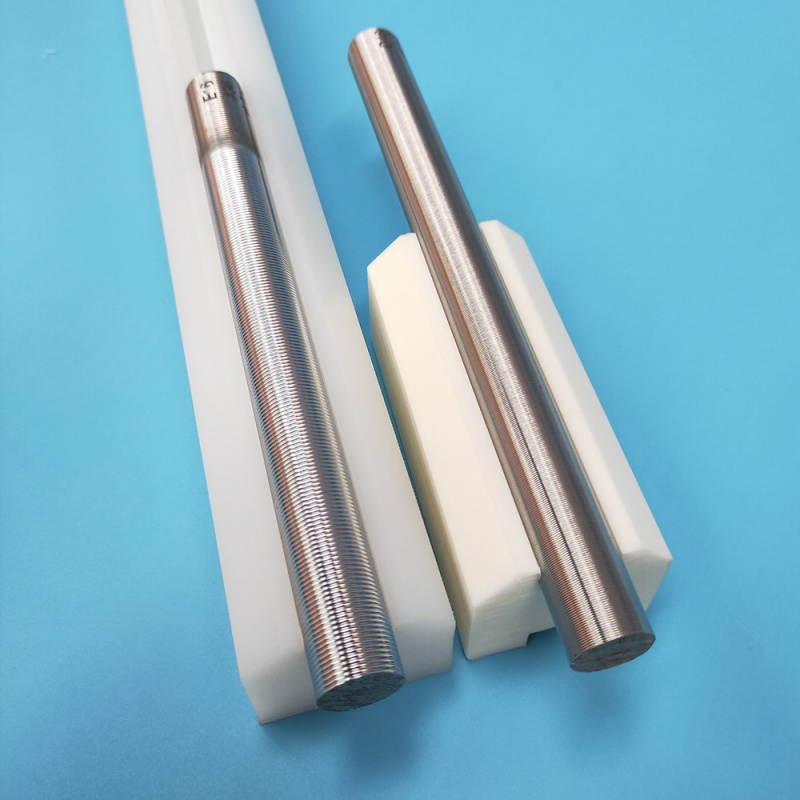
HM coating mayer rods are made via precision molds and cold pressing. This process forms various groove patterns on steel rod surfaces. The smooth curved profiles make cleaning simple. The grooves deliver precise wet film thickness control. With no risk of breakage, they are also easy to maintain. They provide accurate, consistent coating on most substrates. Most importantly, they outperform traditional wire-wound rods — achieving wet film thicknesses as low as 1.5 μm and solving ultra-thin coating challenges.
 
Besides flow control rods, we also supply smooth rods. These have a seamless, non-textured surface with special treatment, similar to standard stainless steel rods. Coating uniformity is achieved through liquid adsorption or penetration into the substrate.
mayer rod

Bibendum arcu vitae elementum curabitur

We offer customized coating meyer rods to meet diverse customer needs. Our R&D team has tested and optimized multiple solutions for precise adhesive application. We use Grade A stainless steel as the base material. Through finite element analysis, we simulate real-world geometry and load conditions. Before production, we optimize component load and deformation to ensure top-quality products.

mayer rod
The performance and reliability of papermaking machine components depend on multiple factors, which must be fully considered when making selections. Key factors include:
 
  • Mechanical and thermal loads
  • Operating temperature
  • Design requirements
  • Dimensions and tolerances
 
We provide professional guidance on material selection tailored to your specific needs. Feel free to reach out via the email address shown at the top of the page.